
Wisconsin Arrest Logs Cover Different Windows
Wisconsin publishes no single statewide arrest log. What exists is a patchwork. Some counties post multi-day booking pages. Some publish dated PDFs or weekly summaries, and others run current-custody rosters. A few offer no public name-level list at all. A blotter records arrest events. A jail roster shows who is in custody right now. The two answer different questions. A multi-day booking page has one clear advantage: it keeps entries after people are released. That helps when a publication date differs from the actual booking date. Barron County's seven-day booking report is a good example. It lists booking dates across a full week. Columbia County takes another route. It posts a text-only PDF covering roughly seven days and updates "time permitting." Neither page promises a complete arrest count or current custody.
Compare Wisconsin Arrest Log Sources
Reviewed county sources vary in span, refresh pattern, and visibility. A dated PDF may remain online after release; a vendor may change filters or archive paths. The examples below are not a complete arrest count.
| Official source | Published window or role | What it does not mean |
|---|---|---|
| Barron County bookings | Separate seven-day booking page, alongside a current roster | Not a statewide feed; the current roster and the seven-day page have different scopes. |
| Columbia County Jail Bookings | Dated PDF, roughly seven days, updated “time permitting,” text-only | Not current custody or a fixed refresh schedule. |
| Crawford County Inmate Lists | Dated morning “as of” snapshot | A morning pull is not an archive of every event after that time. |
| Washburn County confinements | Dated PDFs with a front-mugshot column | Not a rolling 24-hour feed. |
| Vilas County | Current inmate PDF plus a separate weekly arrest/offense PDF | The weekly summary and current custody list answer different questions. |
| Some county systems | Current list only, changing vendor portal, or no public name-level roster located | Do not infer that no arrest record exists from a missing online log. |
The Columbia County Jail Bookings page states plainly that its text-only report updates when time permits and does not show current custody. Read the posted notice and date before trusting the seven-day window. Note: Counties share no single archive depth, refresh time, or photo rule.
What a Wisconsin Arrest-Log Entry Shows
Fields vary by agency and report type. On the Barron seven-day booking page, an entry shows a name, gender, and birth year. It also gives the age, date booked, release date, and charge text. Some counties list only a name and booking date. Some add an "as of" heading above the whole roster instead. Use this inventory as a reading guide. It is not a promise for every Wisconsin county.
| Field | How to interpret it |
|---|---|
| Name | Identifies the listed person as the agency recorded it; verify possible spelling or identity errors with the custodian. |
| Date booked or date in | Records the jail intake date shown in that system; it may differ from the underlying arrest time. |
| Release date | Shows a custody change when included, but a blank field does not confirm current status. |
| Charge text | States an charge as recorded at booking; the court may later change or dismiss it. |
| Age, gender, or birth year | Supporting details displayed by some county lists, not a substitute for identity confirmation. |
| Photo column | Some pages show a photo or image link; text reports may show none, and state law does not require every county to publish one online. |
A "date in" column usually means booking, not arrest. A release date can vanish when the page refreshes. Some counties skip booking photos entirely by local practice.
How to Read a Wisconsin County Blotter
Start with the agency and the document label. A booking file covers jail intake; a current-inmate page covers custody; an arrest summary may select only certain events. News stories are separate accounts. Public pages may omit or redact details.
- Find the county source. Use the Wisconsin County Directory to reach the sheriff or jail page for the likely booking county.
- Check the dates and scope. Note the “as of” date, the oldest and newest visible booking dates, and whether the page includes released people.
- Read fields literally. Separate a booking date from an offense date, a release window from an arrest window, and a charge from a court disposition.
- Keep the source copy. Save the PDF or page URL and its date. If the online entry is gone, ask the records custodian whether a record is still held or was moved to an archive.
No single statewide log ties together every sheriff, police department, and jail. So a missing row may just mean a report ran short, ran late, or covered one facility. The booking record itself usually stays with the agency that holds it. Note: Jot down the source date and the window shown before a portal changes.
Wisconsin Arrest News Is Not a Roster
The State Patrol publishes no daily, name-level arrest or dispatch log. Its regional newsroom releases and annual reports describe enforcement work and overall statistics, not individual bookings or arrest records. The WisDOT newsroom groups Patrol releases by region for an event-based view.
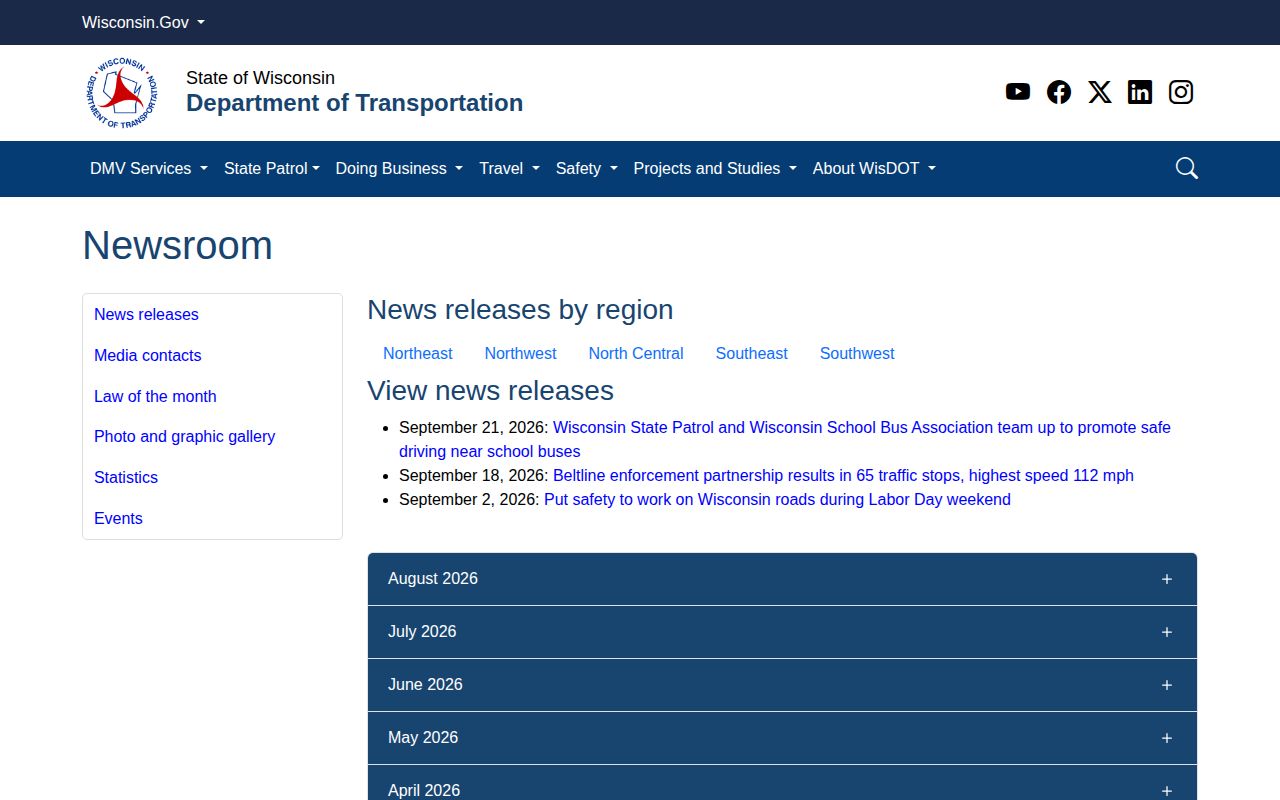
A news item may cover a traffic stop, OWI campaign, crash, or safety effort. It may not name everyone involved. The Patrol's 2023 annual report adds statistics, not name-level arrests. For a specific booking, go to the receiving county or municipal facility. Patrol records work differently. Its open-records page cites a four-to-six-week response estimate. That estimate does not apply to county requests.
Wisconsin News Coverage Is Selective
Regional newsrooms add useful context. They report on arrests, court filings, sheriff statements, OWI enforcement, and wanted notices. Wisconsin Public Radio, the Milwaukee Journal Sentinel, and WISN 12 each cover different regions. Their topics differ as well. None offers a complete statewide blotter. A story may omit names or keep an older agency account. So lean on the county record for booking details.
Weekend Wisconsin Arrest Posts May Lag
Weekends and holidays shape when entries appear, not whether arrests spiked. Staff build morning lists by hand. Vendor portals refresh on their own cycles. So a pile of weekend bookings can land together on Monday, and that pile says more about the reporting window than about arrest volume. Before trusting any count, read the document's stated "as of" time or a roster's date and scope. For same-day county sources, the Wisconsin same-day arrests view fits better; this one leans toward wider windows and older records.
Wisconsin Court Search Comes Later
A court case may be filed long after release. Sometimes no public case appears when a roster is checked. The Wisconsin Court System case search covers circuit, appellate, and Supreme Court information. WCCA handles circuit cases. It is not a booking roster or live warrant database. A case may be sealed, restricted, expunged, delayed, or absent. That does not mean no arrest occurred. The Court System's case-search landing page shows where a later court record may live.
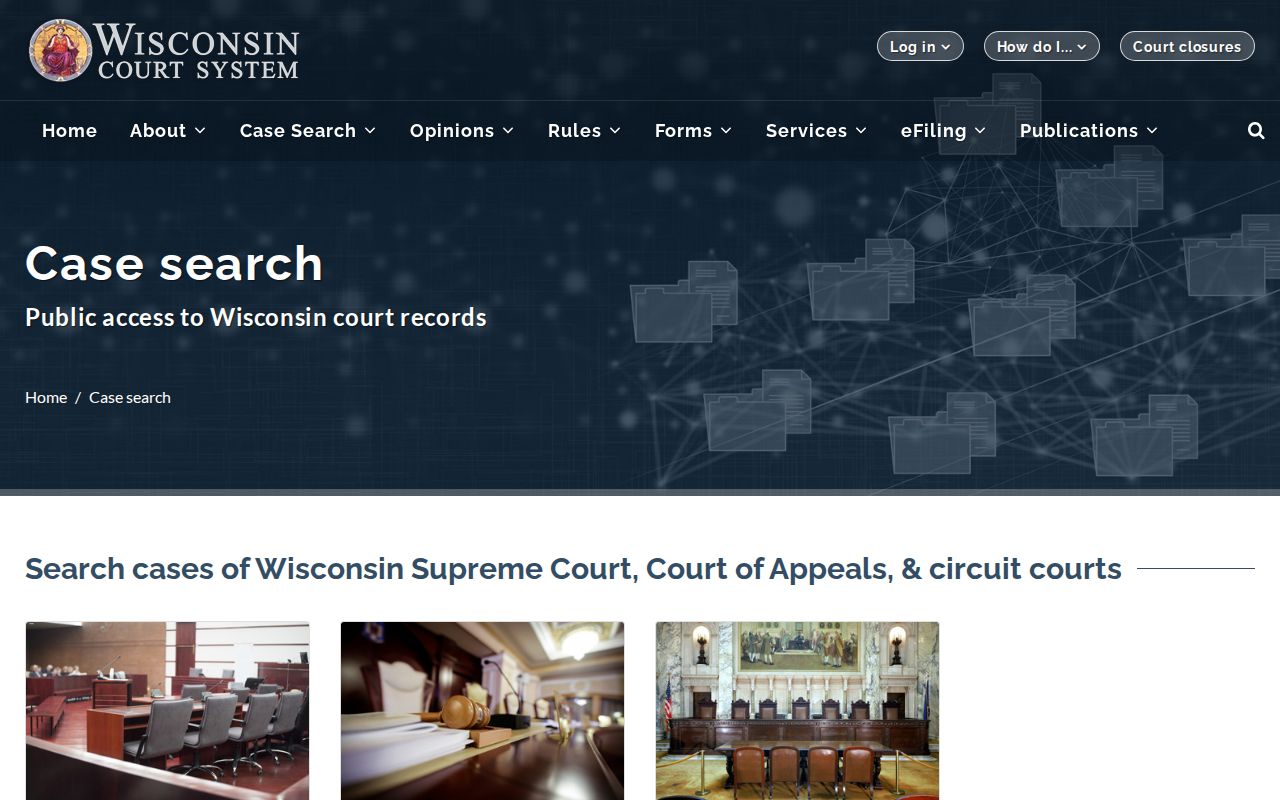
A case lookup is not a booking list. The search screens display court records, not same-day arrests. The separate CCAP coverage page explains the statewide circuit-court search and notes the Walworth County exception.
A jail booking log answers who was arrested. Court records are a different animal. They track what happens after an arrest, so a new booking will likely not appear there yet.
Where Older Wisconsin Booking Records Go
An online roster can vanish fast. The underlying record often outlives it. Wisconsin Stat. § 19.21 is where county record handling starts. For timelines, the Public Records Board's County and Related Records General Records Schedule lists retention periods, though a county has to formally adopt it first, and a different schedule or authorization may govern. Even permanent retention does not force online publication, nor does it mean the record reached an archive.
| County GRS series | Scheduled treatment | Important limit |
|---|---|---|
| CNTY1857, Mug Shots | Permanent | Permanent retention does not require a public online photo. |
| CNTY1902, Booking Records | Permanent | Access still depends on the custodian and record-specific limits. |
| CNTY1911, Jail Inmate Register | Event plus one month, then transfer to the Wisconsin Historical Society | The event and transfer path matter; the record may not remain on a live jail page. |
| CNTY2150, Arrest Records | Event plus eight years, then confidential destruction | Applies only where the schedule is adopted and no hold or other rule changes disposition. |
Destruction is not always automatic. A pending request, an audit, an open case, or a legal hold can keep records alive past their scheduled span. Many series also require notice to the Wisconsin Historical Society first. Its government-records page lays out where older local records may sit. And its Area Research Centers page maps a regional network for records a county has transferred.
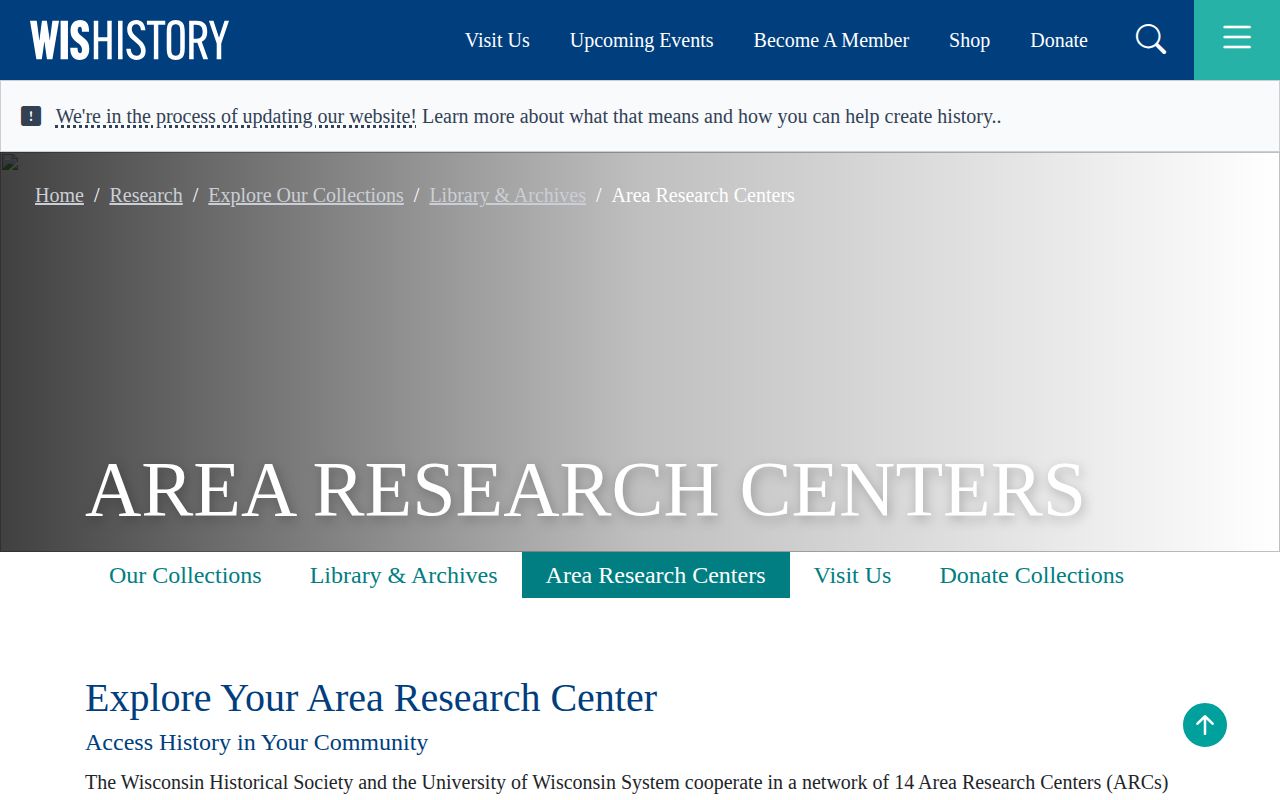
A booking register may not stay on the sheriff's current site. Ask the county who holds it now. For an older entry, that question goes to the sheriff, the clerk, or whatever custodian remains. Ask which schedule they adopted. Also ask whether the record is still local, transferred, destroyed, restricted, or simply held. If the Historical Society catalog lists a collection, write down the title, call number, box, and folder. The Society's Library and Archives Services page takes email or letter requests. It cites a usual two-to-four-week response. Copy or rush charges are possible. One more thing. A roster may drop a person while the booking record survives. Confirm both the schedule and the record's current location with the custodian.